Phosphorus is an essential part of living systems and due to its reactivity, generally exists in an oxidised form called phosphate.
In water treatment, phosphate is often added to drinking water at low levels to provide protection against lead build up in the water. In wastewater treatment, phosphorus is often present at relatively high levels in the influent (from detergents, fertiliser run off and human waste) and is therefore removed to prevent it being discharged into the watercourses. Too much phosphorus in natural water sources can lead to algal blooms which starve aquatic life of the oxygen they need.
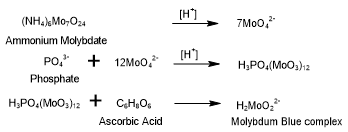
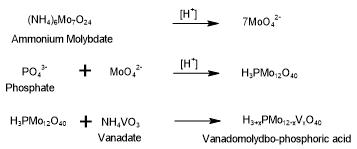
Typically, phosphate is measured in a water treatment process using colorimetry. There are two different chemistries that can be used depending on phosphate levels expected. The low range phosphate is the Ascorbic acid method, the higher range chemistry is called the Vanadomolybdate method.
A new and novel technique for measuring total phosphorus and orthophosphate in wastewater applications is magnetic resonance spectroscopy.
An alternative approach that can be used in wastewater treatment is to use an online UV-Vis spectrophotometer to characterise and quantify organics in real time, and with some laboratory testing, build a surrogate phosphorus parameter based on the organics.
Ascorbic Acid method
Vanadomolybdate method


We can also supply Phosphate Reagents for your instruments, to your formulation, with your branding, full traceability, bespoke MSDS’, and C of A’s. See our manufacturing capabilities for more information or get in touch below.
To contact us, or to request a callback, simply use the form below and we will promptly get back to you.
We greatly value all of the inquiries which our products and services generate and we are very confident that we will have the right solution available for you at the first point of contact when you reach our experienced team of engineers.